Window Cleaning Safety: Protecting Your Business and Employees
Window cleaning safety is crucial for protecting your business and employees. Start by evaluating risks like unstable ladders and slippery surfaces, making certain your work areas are clear and stable. Equip your team with proper safety gear like reliable harnesses and protective eyewear to prevent injuries from falls and debris. Training is key; make sure everyone understands equipment use and safety protocols. Regular inspections of gear and work conditions will help maintain safety standards. Foster a culture of communication around safety concerns. Stay informed on best practices to enhance safety measures and create a safer work environment.
Key Takeaways
- Conduct thorough risk assessments to identify potential hazards and ensure a safe working environment for window cleaning employees.
- Equip workers with reliable safety gear, including harnesses and protective eyewear, to minimize the risk of injuries.
- Implement robust safety protocols and regular training sessions to reinforce safe practices and equipment handling techniques.
- Schedule regular safety inspections to maintain equipment integrity and ensure compliance with safety regulations.
- Develop and practice emergency preparedness plans, ensuring all team members understand their roles during unexpected situations.
Understanding Window Cleaning Risks
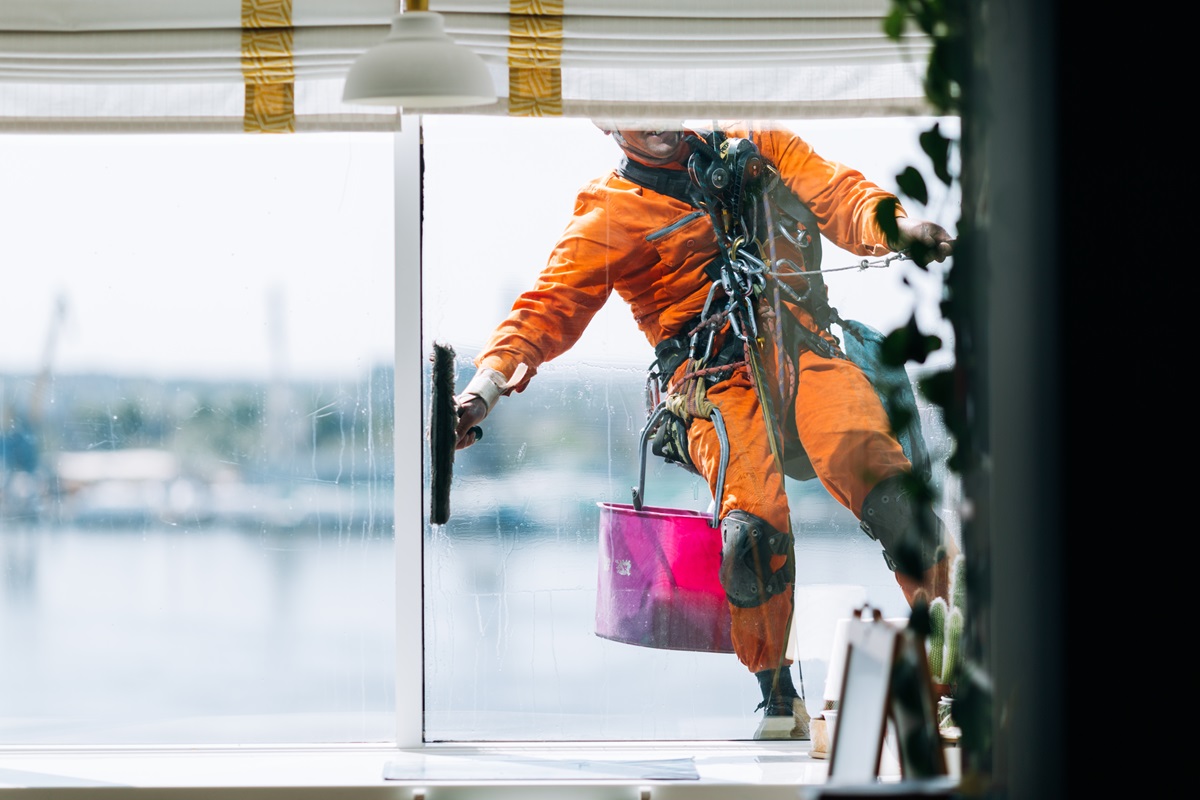
When you clean windows, you face several risks that can lead to serious accidents if you’re not careful. Conducting a thorough risk assessment is essential before starting any job.
Identify potential fall hazards, such as unstable ladders or slippery surfaces, and address them proactively. Guarantee your work area is clear of obstacles and that the ground is stable.
Always be mindful of your surroundings, including weather conditions that could affect your safety. Remember, even a small oversight can result in dangerous falls or injuries.
Essential Safety Equipment
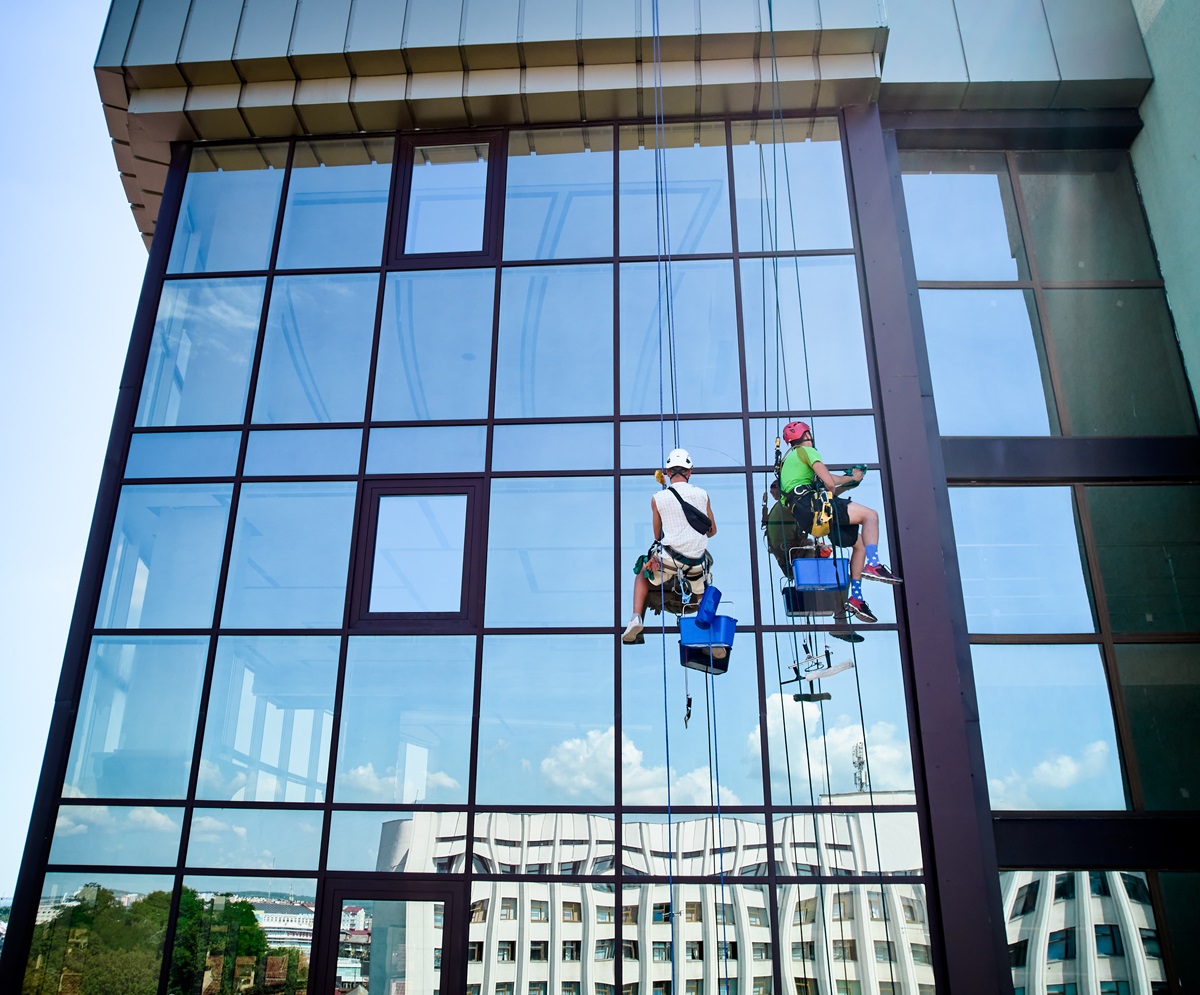
Having the right safety equipment is vital when cleaning windows. A reliable harness and safety gear can prevent serious injuries, while protective eyewear shields your eyes from debris.
Let’s explore the essential tools that keep you safe on the job.
Harness and Safety Gear
How can you guarantee your safety while cleaning windows? By using the right harness and safety gear.
Start by selecting appropriate harness types that suit your specific job requirements. Various options include full-body and seat harnesses, each designed for different tasks.
Ensure your gear meets safety regulations to protect yourself from falls and accidents. Regularly inspect your harness and gear for wear and tear, and replace any damaged equipment promptly.
Always adjust your harness for a snug fit and practice proper usage techniques. Remember to train your employees on safety protocols and the importance of wearing their gear correctly.
Prioritizing harness and safety gear isn’t just about compliance; it’s about safeguarding your well-being while working at heights.
Protective Eyewear Importance
Protective eyewear is essential for preventing injuries from debris, chemicals, and harmful UV rays while cleaning windows. By investing in the right eyewear, you can guarantee your safety and that of your employees. Here are some protective eyewear benefits and tips for choosing eyewear types:
| Benefit | Explanation |
|---|---|
| Eye Protection | Shields against flying debris and splashes |
| UV Protection | Blocks harmful UV rays during outdoor work |
| Comfort and Fit | Guarantees long-term wear without discomfort |
| Anti-fog Features | Maintains clear vision in varying conditions |
| Durability | Provides long-lasting protection under tough tasks |
Always prioritize protective eyewear when working at heights to minimize risks and enhance safety.
Training Your Employees
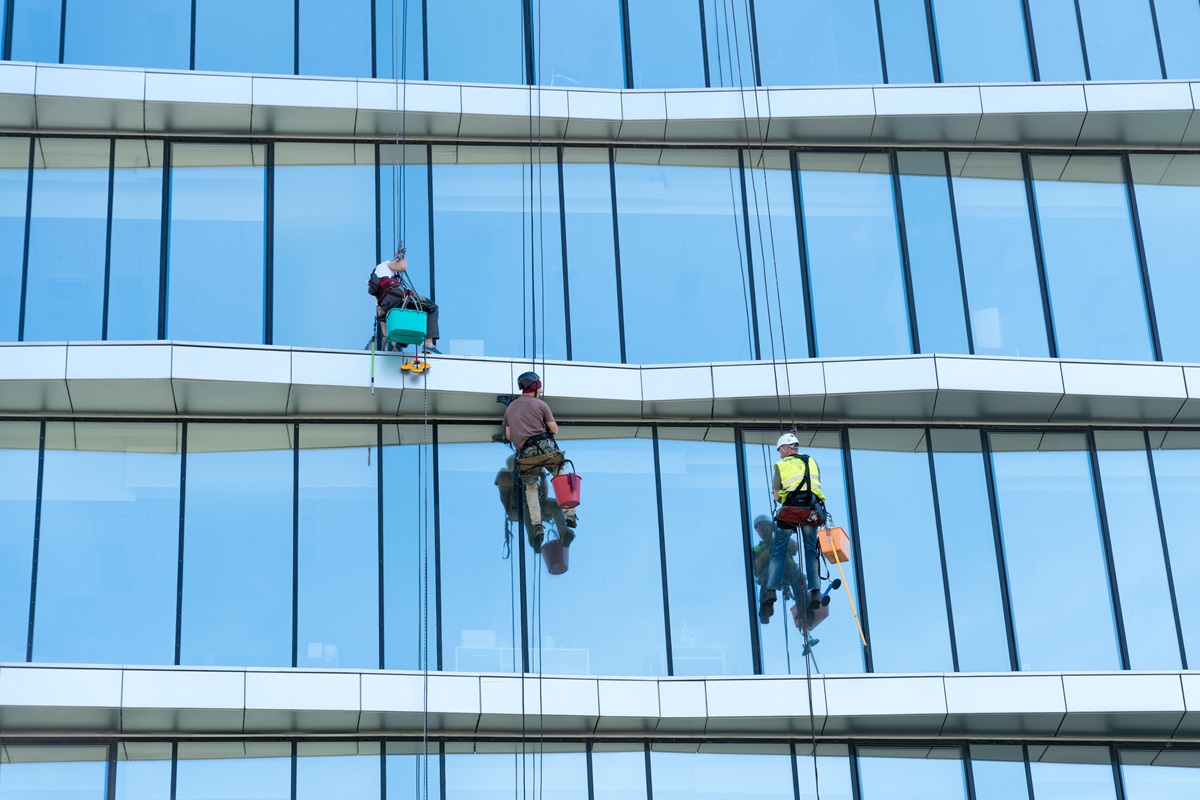
Training your employees on safety protocols is essential for their protection and your business’s success.
Make sure they understand proper equipment handling techniques to prevent accidents and injuries.
Safety Protocols Overview
Establishing clear safety protocols is essential for ensuring your employees’ well-being while they perform window cleaning tasks. A strong safety culture fosters risk management and empowers your team to prioritize safety. Here’s a quick overview of key protocols every employee should know:
| Safety Protocol | Description |
|---|---|
| Personal Protective Equipment (PPE) | Always wear gloves, goggles, and harnesses. |
| Site Assessment | Evaluate the work area for hazards. |
| Communication | Maintain clear communication with the team. |
| Emergency Procedures | Know the steps to take in case of an emergency. |
| Regular Training | Participate in ongoing safety training sessions. |
Equipment Handling Techniques
To guarantee safe and effective window cleaning, employees must master proper equipment handling techniques.
Start by training your team on lift operation, ensuring everyone knows how to control the equipment safely and efficiently. They should understand the importance of maintaining a clear work area and checking for potential hazards before starting.
Emphasize stability when using ladders. Always inspect ladders before use and set them up on level ground. Employees should be reminded to maintain three contact points while climbing and never overload the ladder.
Regular training sessions and refreshers will help reinforce these skills, keeping your employees safe and your business running smoothly.
Prioritizing proper equipment handling is essential for a successful window cleaning operation.
Implementing Safety Protocols
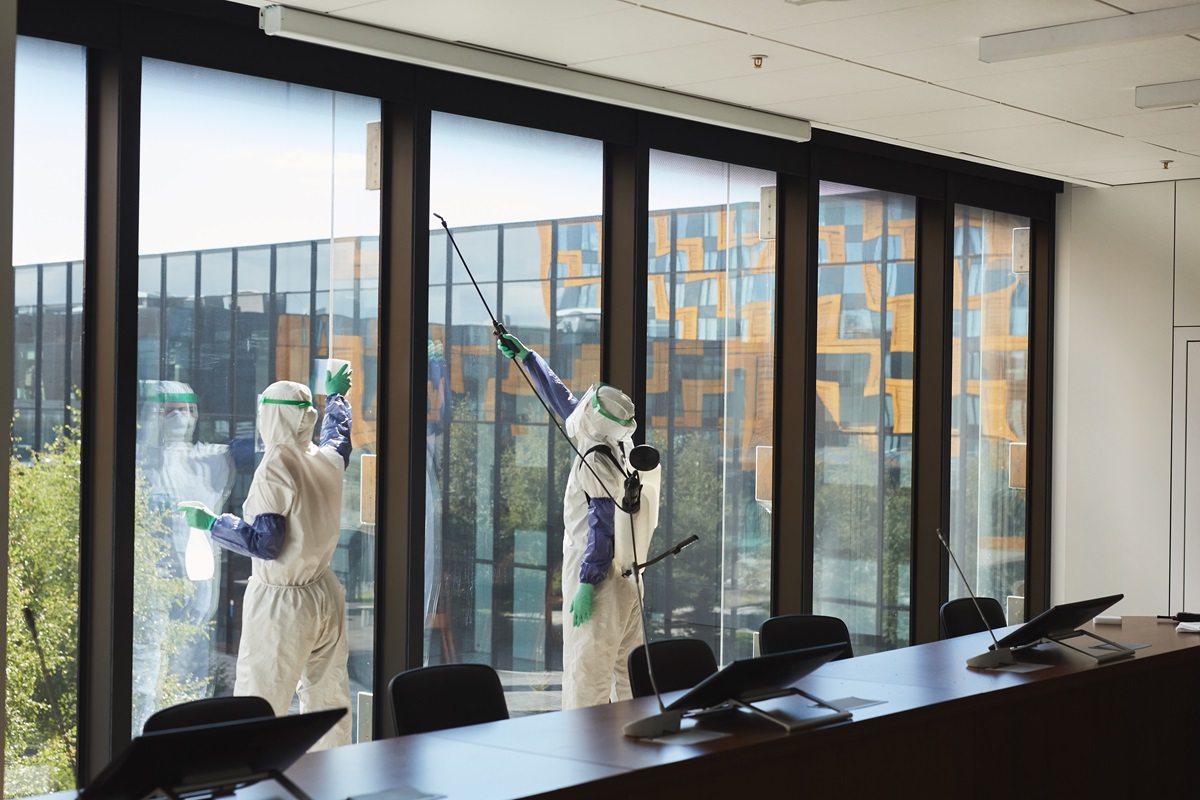
Implementing robust safety protocols guarantees that window cleaning crews minimize risks while maximizing efficiency on the job. A strong safety culture starts with clear guidelines and consistent training. Regular risk assessments are essential for identifying potential hazards and ensuring your team stays safe.
Establish a clear chain of command for safety issues.
Provide ongoing training on equipment use and safety measures.
Regularly inspect and maintain all cleaning equipment.
Encourage open communication about safety concerns among team members.
Emergency Preparedness Plans
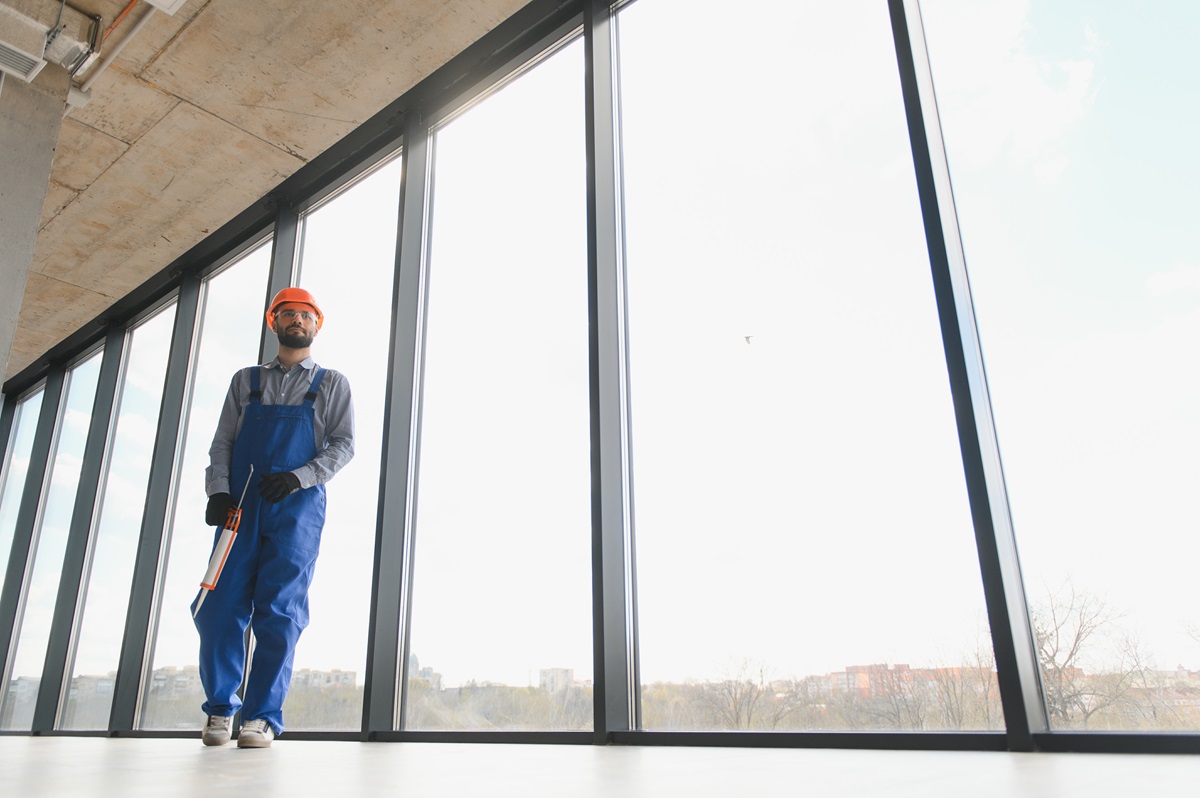
Strong safety protocols set the foundation for effective emergency preparedness plans, guaranteeing that your team can respond quickly and efficiently in crises.
Start by developing clear communication plans that outline roles, responsibilities, and procedures during emergencies. Make certain every team member understands their specific tasks and who to contact for assistance.
Conduct emergency drills regularly to keep everyone sharp and confident in their responses. These drills help identify potential gaps in your plans and allow for necessary adjustments.
Fostering an environment where employees feel prepared and informed protects them and enhances your business’s overall safety culture.
Prioritize these strategies to ensure your team’s readiness in the face of unexpected challenges.
Regular Safety Inspections
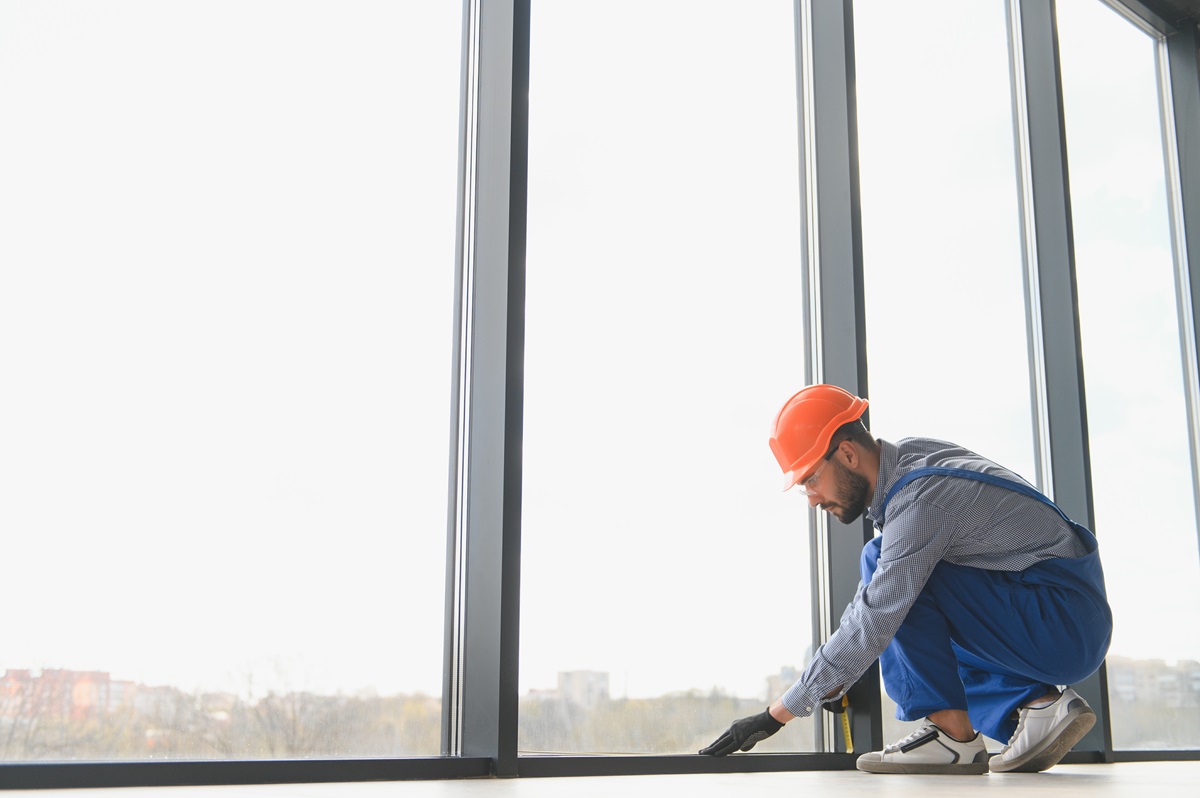
Regular safety inspections are essential for identifying potential hazards and guaranteeing that all equipment and procedures comply with safety standards. By establishing a consistent safety inspection frequency, you can proactively address issues before they escalate.
Here are some inspection checklist essentials you should include:
- Check harnesses and lanyards for wear and tear
- Inspect ladders and lifts for structural integrity
- Confirm proper use of personal protective equipment (PPE)
- Review safety procedures with your team
Conducting regular inspections protects your employees and safeguards your business from liability. Make it a habit to document each inspection and note any corrective actions taken.
This way, you maintain a safe working environment and demonstrate your commitment to safety.
Frequently Asked Questions
What Insurance Coverage Do I Need for Window Cleaning Operations?
You’ll need general liability coverage to protect against accidents and damages. Additionally, workers’ compensation should be considered for employee protection. This guarantees you’re covered in case of injuries, safeguarding your business and your team’s well-being.
How Often Should Safety Equipment Be Replaced?
You should replace safety gear every 1-3 years, depending on usage and wear. Regular equipment maintenance checks help identify damage early, ensuring your gear remains effective and keeps you safe while working.
Are There Specific Regulations for Window Cleaning in My Area?
You should check your local regulations regarding window cleaning, as they often dictate safety compliance standards. Staying informed helps you avoid fines and provides a safe working environment for your employees.
What Are the Signs of Fatigue in Window Cleaning Employees?
You should watch for employee fatigue indicators, such as decreased focus, slower movements, or frequent mistakes. Prioritizing their well-being helps maintain productivity and safety, ensuring they perform their duties effectively without compromising health.
How Can I Encourage a Safety Culture Among My Team?
Implement regular safety training sessions and offer teamwork incentives to encourage a safety culture. Recognizing and rewarding safe practices fosters commitment and accountability, making safety a shared responsibility among your team.
Need commercial cleaning you can count on?
Get a free walkthrough and a flat, written quote in under 24 hours for your San Diego County business.