The Importance of Routine Drain Cleaning for Commercial Kitchens
Routine drain cleaning is essential for your commercial kitchen’s efficiency and safety. It prevents clogs that can disrupt workflow and reduce staff productivity. By addressing minor issues early, you can avoid costly emergency repairs and maintain compliance with health standards, safeguarding your business’s reputation. Regular cleaning minimizes unpleasant odors and controls bacterial growth, enhancing food safety. A consistent maintenance schedule helps identify and resolve potential problems before they escalate. Following best practices for drain care guarantees smooth kitchen operations. Discover more strategies to keep your kitchen running efficiently and safely.
Key Takeaways
- Routine drain cleaning ensures uninterrupted kitchen operations, enhancing staff productivity and timely order completion.
- Regular maintenance identifies potential plumbing issues early, preventing costly emergency repairs and major breakdowns.
- Consistent drain cleaning helps comply with health regulations, avoiding fines and protecting the business’s reputation.
- Effective grease management through regular cleaning eliminates unpleasant odors and reduces the risk of bacterial contamination.
- Regular inspections and maintenance enhance food safety by preventing grease buildup and deterring pest infestations.
Impact on Kitchen Efficiency

Routine drain cleaning markedly enhances kitchen efficiency by preventing clogs that disrupt workflow and delay food preparation.
When your drains function effectively, your kitchen workflow remains uninterrupted, allowing your staff to focus on their tasks without the frustration of dealing with backups. This smooth operation directly improves staff productivity, as team members can complete orders promptly and maintain high service standards.
Regular maintenance guarantees that debris and grease don’t accumulate, which can lead to significant disruptions during peak hours.
Prevention of Costly Repairs
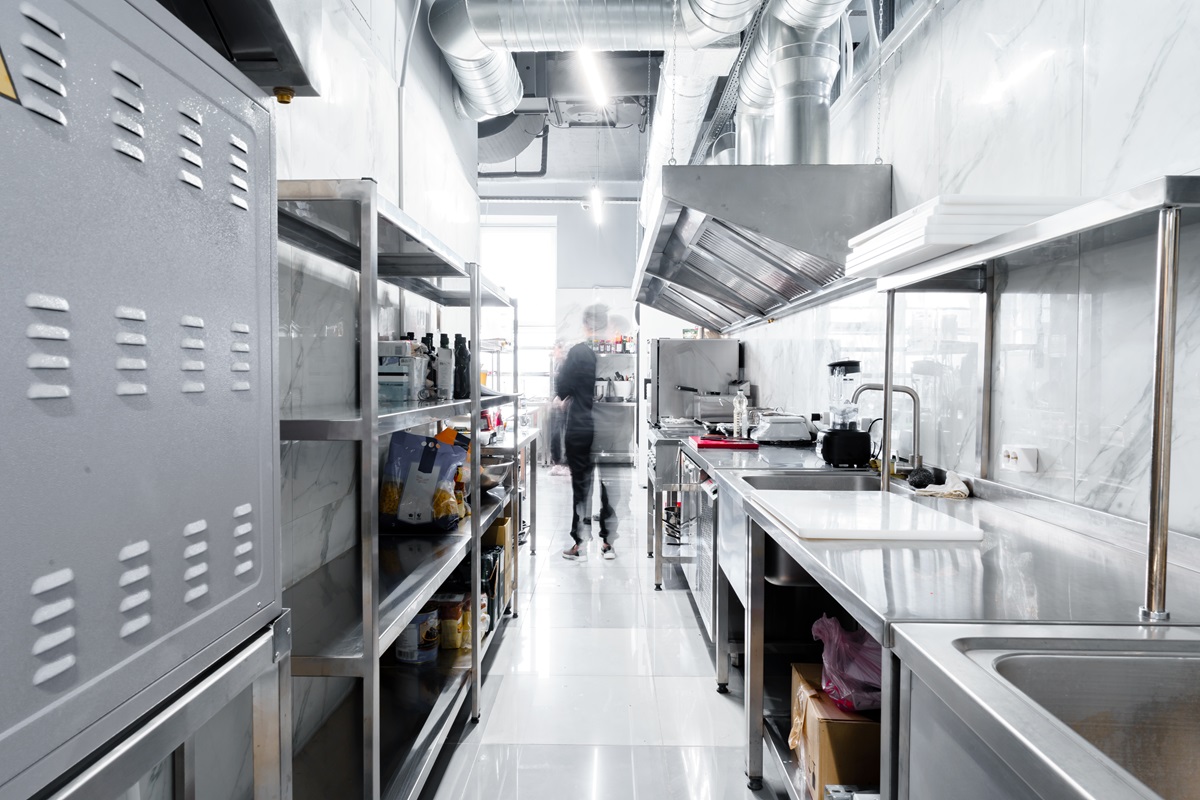
Regular drain cleaning lets you catch potential issues before they escalate into considerable problems.
You can greatly reduce emergency repair costs by addressing minor clogs and buildup.
This proactive maintenance saves you money and guarantees your kitchen operates smoothly.
Early Issue Detection
How can early issue detection in drain systems prevent costly repairs and downtime in commercial kitchens?
By implementing routine plumbing inspections, you can identify potential problems before they escalate.
Effective clog detection methods, such as video camera inspections, allow you to assess the condition of your drains visually.
This proactive approach highlights existing blockages and reveals early signs of wear or damage that might lead to larger issues.
Addressing these concerns promptly guarantees that your kitchen operates smoothly, reduces the risk of major breakdowns, and minimizes costly repairs.
Investing in early issue detection strengthens your kitchen’s efficiency and longevity, safeguarding your business against unexpected disruptions.
Reduced Emergency Expenses
Proactively maintaining your drain systems can reduce emergency expenses by preventing costly repairs before they arise. You can avoid unexpected costs that disrupt your emergency budgeting by implementing routine drain cleaning.
Here’s how regular maintenance saves you money:
- Minimizes clogs: Reducing blockages prevents overflow and damage.
- Extends system lifespan: Regular care increases the longevity of your plumbing.
- Enhances efficiency: Cleaner drains improve water flow and reduce strain on systems.
- Prevents health hazards: Avoid costly fines from health inspections due to unsanitary conditions.
- Reduces downtime: Keep your kitchen operational by sidestepping emergency repairs.
Investing in routine drain cleaning translates to fewer surprises and a more predictable financial landscape for your commercial kitchen.
Compliance With Health Standards

Guaranteeing that your commercial kitchen’s drainage system meets health standards is vital for preventing cross-contamination and maintaining food safety.
Adhering to health regulations safeguards your patrons and protects your business from potential legal issues. Regular drain cleaning minimizes blockages and guarantees proper wastewater disposal, which is significant for compliance.
Maintaining a consistent inspection frequency allows you to identify and address drainage concerns before they escalate.
Failure to comply with these standards can result in hefty fines, increased scrutiny from health inspectors, and potential closure of your establishment.
Reduction of Unpleasant Odors
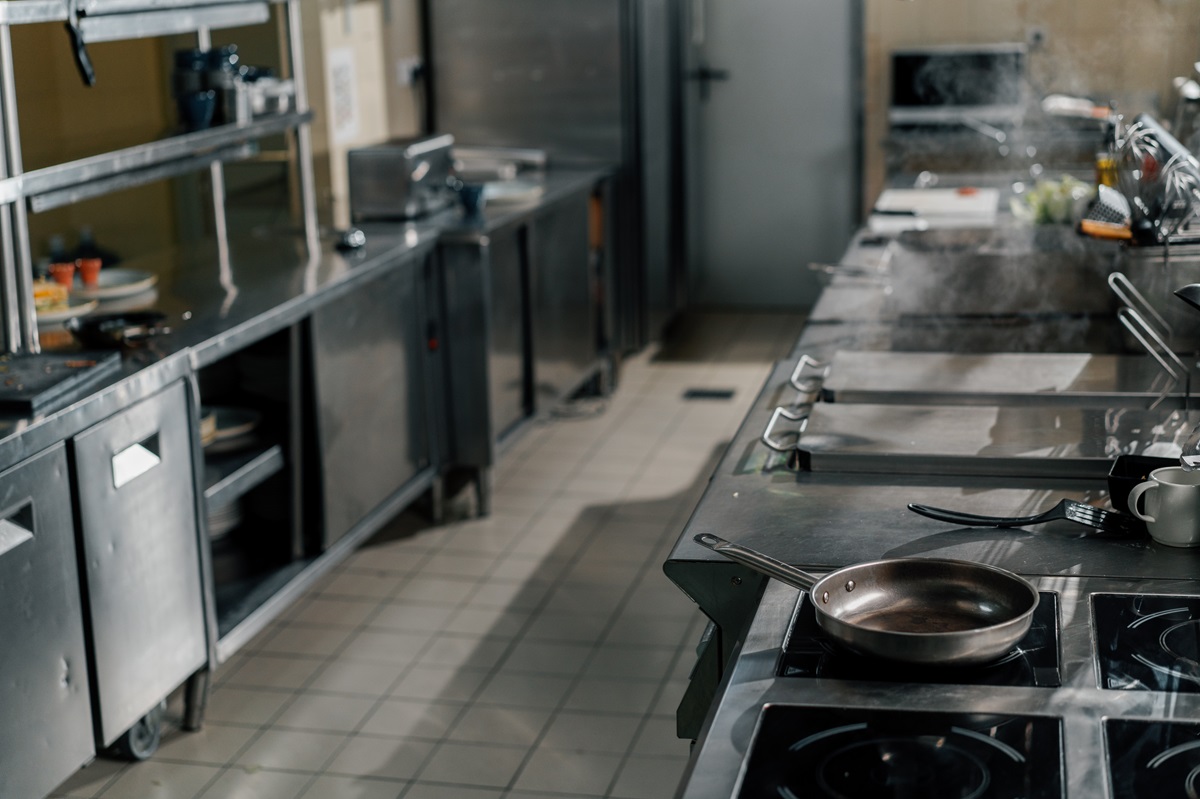
To effectively reduce unpleasant odors in your commercial kitchen, you’ll need to focus on preventing grease buildup and controlling bacterial growth.
Regular drain cleaning eliminates the accumulation of fats and food particles that contribute to these odors.
Grease Buildup Prevention
Regularly implementing effective grease management practices in your commercial kitchen can greatly reduce unpleasant odors associated with grease buildup. To maintain a fresh environment, consider the following measures:
- Schedule routine cleaning of grease traps based on recommended cleaning frequency.
- Use enzymatic cleaners to break down grease and prevent buildup.
- Confirm proper installation and maintenance of grease interceptors.
- Train staff on correct disposal methods for grease and food waste.
- Monitor and adjust your cooking methods to minimize grease production.
Bacterial Growth Control
Controlling bacterial growth in your commercial kitchen is vital for minimizing unpleasant odors and maintaining a hygienic environment.
Regular drain cleaning is a significant aspect of bacterial contamination prevention. When food particles and grease accumulate in drains, they create a breeding ground for bacteria, leading to foul smells and potential health hazards.
Implementing effective sanitation practices, including routine cleaning schedules and proper waste disposal, helps mitigate these risks. Use appropriate cleaning agents specifically designed to eliminate bacteria and odors.
Additionally, consider installing grease traps to intercept waste before it enters your drainage system. By prioritizing these measures, you not only enhance the overall cleanliness of your kitchen but also guarantee a safer environment for both staff and customers.
Enhancement of Food Safety
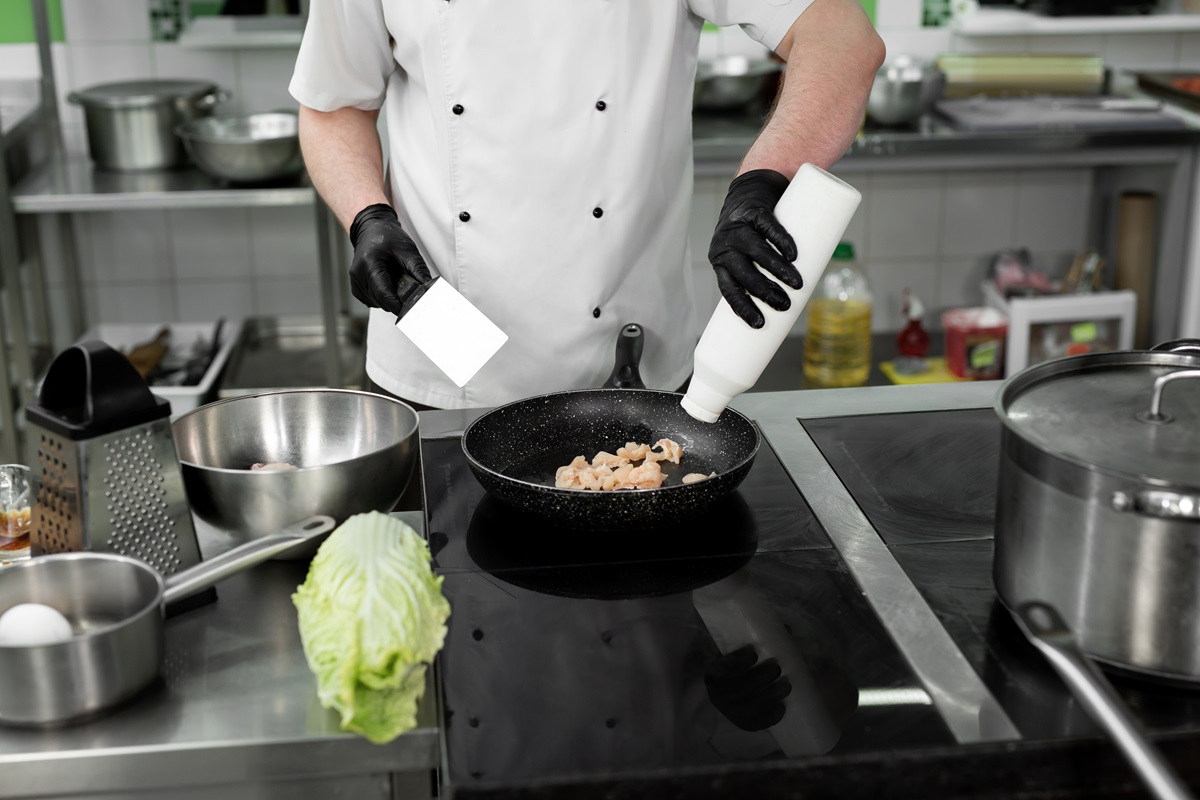
Routine drain cleaning greatly reduces the risk of bacterial growth and contamination in commercial kitchens, enhancing overall food safety. By implementing regular maintenance, you not only protect your food supply but also guarantee compliance with health regulations. This practice should be part of a thorough strategy that includes employee training and strict sanitation protocols.
Consider these critical benefits of routine drain cleaning:
- Reduces the accumulation of grease and debris
- Prevents unpleasant odors that signal contamination
- Mitigates the risk of pest infestations
- Guarantees compliance with food safety regulations
- Enhances the overall efficiency of kitchen operations
Incorporating these measures will create a safer environment for both employees and customers, solidifying your kitchen’s reputation for excellence.
Best Practices for Drain Maintenance
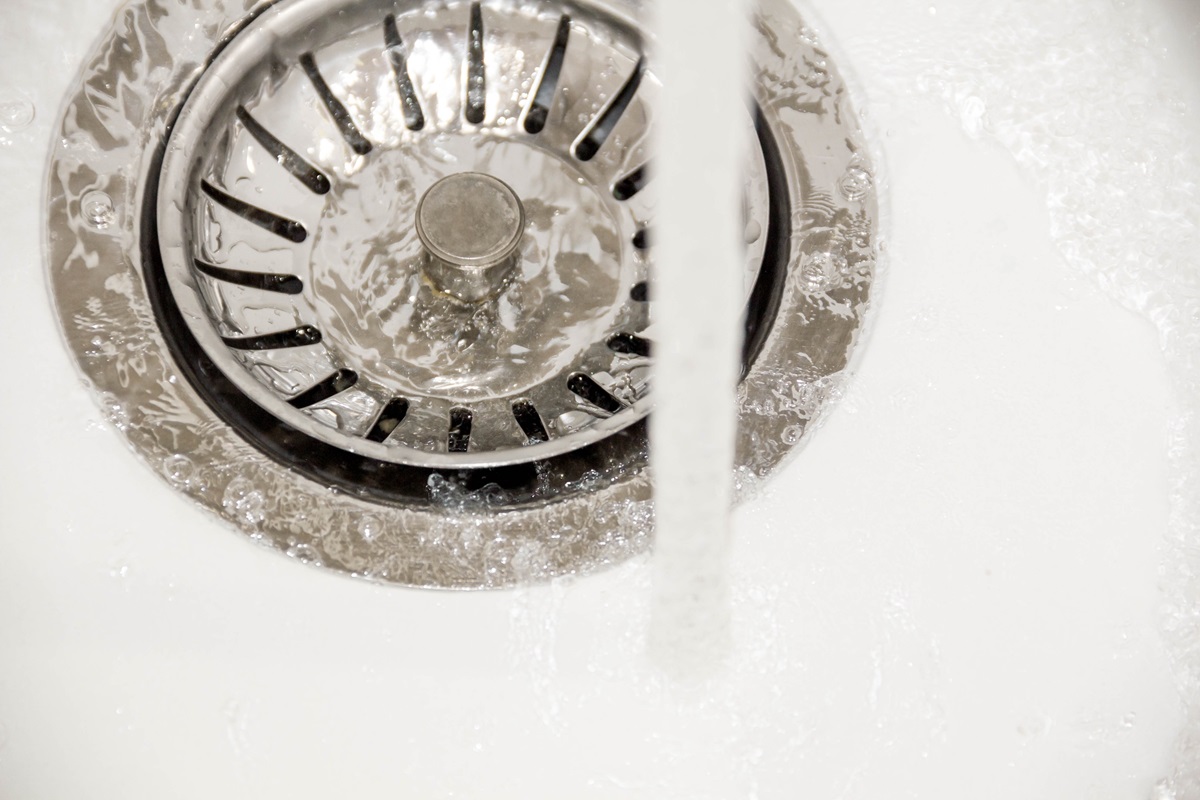
To maintain ideal food safety and operational efficiency in commercial kitchens, implementing best practices for drain maintenance is crucial.
Start by identifying the various drain types in your facility—grease traps, floor drains, and sink drains all have unique requirements.
Establish a regular cleaning frequency; for most commercial kitchens, weekly cleanings are advisable to prevent buildup and clogs.
Use appropriate cleaning agents specifically designed for each drain type to guarantee effective removal of grease and food debris.
Additionally, train your staff on the importance of immediate spill cleanup and proper disposal of food waste.
Regular inspections will help you identify potential issues before they escalate, guaranteeing a smoothly operating kitchen and a safe environment for food preparation.
Frequently Asked Questions
How Often Should Commercial Kitchen Drains Be Cleaned?
You should clean commercial kitchen drains monthly to prevent clogs and guarantee peak performance. Establishing a cleaning schedule helps maintain proper drain maintenance frequency, reducing the risk of costly repairs and guaranteeing compliance with health regulations.
What Tools Are Used for Drain Cleaning in Kitchens?
For effective drain cleaning, you’ll use kitchen plumbing tools like augers, plungers, and hydro-jetters. These drain cleaning techniques help remove clogs and maintain flow, ensuring your kitchen’s drainage system operates smoothly and efficiently.
Can I Clean Drains Without Professional Help?
Yes, you can clean drains without professional help. Use DIY drain cleaning methods like baking soda and vinegar, and follow drain maintenance tips, ensuring regular checks to prevent clogs and keep your plumbing system functioning smoothly.
What Signs Indicate Clogged Drains in Kitchens?
You’ll notice signs of clogged drains during kitchen maintenance, such as slow drainage, unpleasant odors, or gurgling sounds. Addressing these issues quickly prevents further complications and maintains ideal kitchen hygiene and functionality.
Are There Eco-Friendly Options for Drain Cleaning?
Yes, there are eco-friendly options for kitchen cleaning. You can use biodegradable solutions and enzymatic cleaners that break down organic matter naturally, ensuring effective cleaning without harming the environment or disrupting your plumbing system.
Need commercial cleaning you can count on?
Get a free walkthrough and a flat, written quote in under 24 hours for your San Diego County business.