The Impact of Grease and Oil on Commercial Drains and How to Prevent It
Grease and oil drastically reduce the efficiency of commercial drains, leading to costly clogs and potential infrastructure damage. When grease solidifies, it blocks flow and creates an unsanitary environment conducive to bacteria growth. Implement regular maintenance like daily inspections and weekly grease trap cleanings to prevent these issues. Train staff on proper disposal methods and invest in grease traps to intercept waste before it enters the system. Using eco-friendly cleaners can also help maintain drain health. By addressing these factors early, you can protect your drains and avoid expensive repairs, setting the stage for more effective strategies.
Key Takeaways
- Grease and oil buildup can cause significant blockages and reduce drainage efficiency in commercial plumbing systems.
- Regular maintenance, including inspections and cleaning, helps prevent clogs and extends the lifespan of drainage systems.
- Proper disposal methods, such as using designated containers and partnering with waste disposal services, minimize grease introduction into drains.
- Installing grease traps and filters effectively intercepts fats and larger food particles before they enter drainage systems.
- Community collection events and recycling options promote responsible disposal and contribute to environmental sustainability.
Understanding Grease and Oil

Grease and oil are common byproducts in commercial kitchens, often leading to considerable drainage issues if not properly managed. Understanding grease composition is essential; it primarily consists of triglycerides, fatty acids, and other organic compounds, which can solidify and cause blockages.
On the other hand, oil properties, such as viscosity and temperature, influence how these substances interact with water and drainage systems. When hot, oils remain fluid, but as they cool, they congeal, exacerbating drainage problems.
To mitigate these risks, you should implement regular grease trap maintenance and consider using enzyme-based treatments to break down the fats. Additionally, training kitchen staff on proper disposal methods can considerably reduce the accumulation of grease and oil in your drainage system.
How Grease Affects Drainage
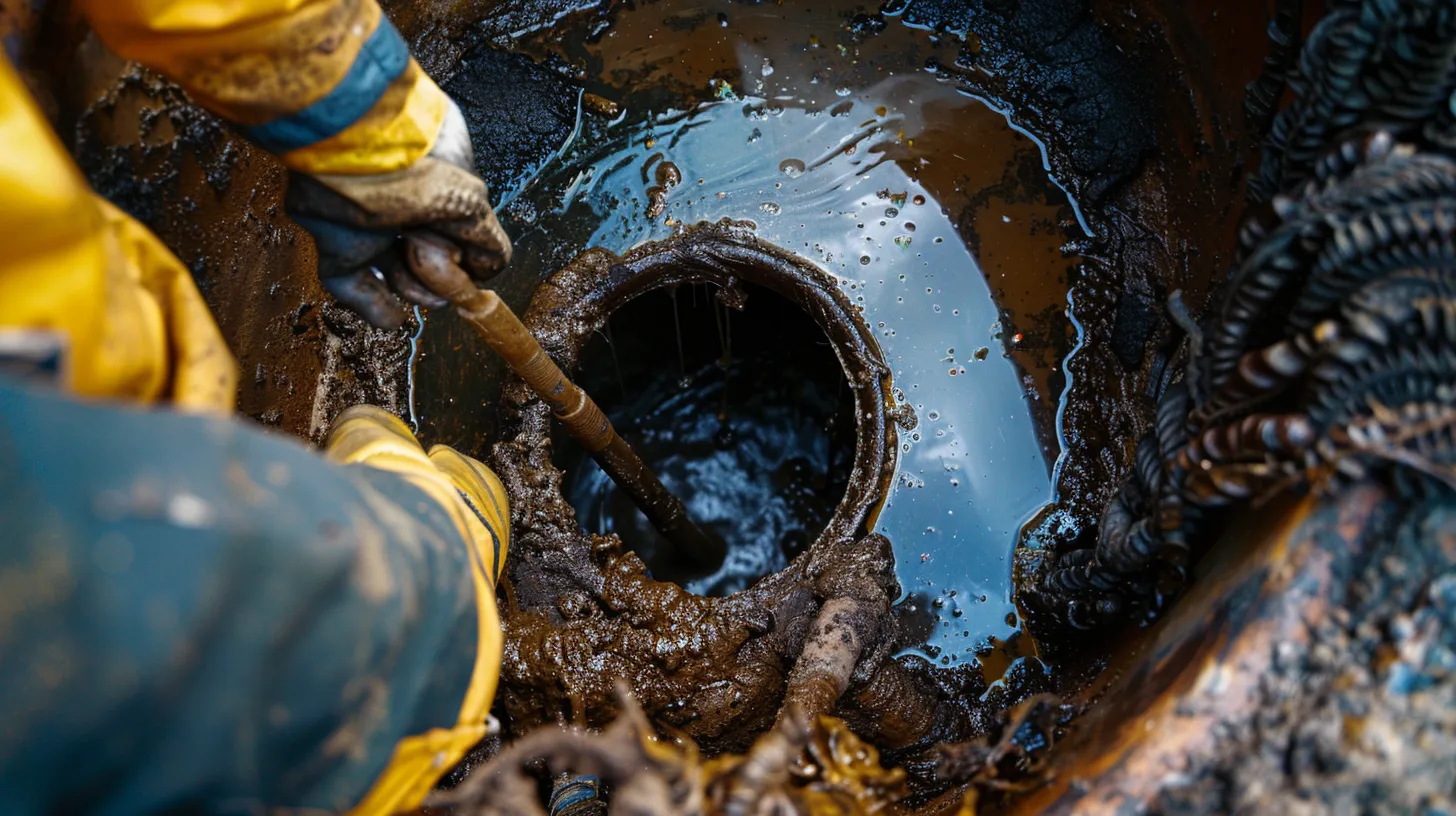
When grease enters your drainage system, it accumulates, leading to significant flow disruptions.
This buildup impairs drainage efficiency and can cause long-term damage to your infrastructure.
Understanding these mechanisms is essential for implementing effective maintenance strategies.
Grease Accumulation Mechanisms
The accumulation of fats and oils in commercial drains can lead to significant blockages, disrupting the flow of wastewater and ultimately causing costly plumbing issues.
When grease is disposed of down the drain, it cools and solidifies, forming a sticky residue that clings to pipe walls. This buildup occurs due to variations in oil viscosity; lighter oils may pass through, while heavier greases accumulate over time.
Implementing effective grease-trapping systems can mitigate this issue by capturing fats before they enter the drainage system. Regular maintenance and cleaning of these traps are essential to prevent overflow and guarantee peak performance.
Drainage Flow Disruption
Accumulated grease creates significant blockages that disrupt drainage flow, leading to potential backups and costly repairs in commercial plumbing systems.
When grease builds up, it reduces pipe diameter, impeding flow and increasing pressure within the system. This can cause slow drainage and, if left untreated, complete clogs.
Implementing effective drainage solutions is vital to combating these issues. Regular maintenance, such as professional grease trap cleaning and enzymatic drain cleaners, can enhance flow optimization.
Additionally, educating staff on disposal methods for grease and oil can prevent accumulation at the source.
Long-term Infrastructure Damage
Excessive grease buildup obstructs flow and accelerates corrosion and deterioration of drainage infrastructure over time.
When grease coats pipes, it creates a conducive environment for bacteria and other corrosive agents, leading to structural weaknesses. This infrastructure deterioration can result in leaks, collapses, and costly repairs.
You might be surprised to learn that the long-term repair costs associated with neglecting grease management can far exceed the initial investment in preventive measures.
Regular maintenance, such as grease traps and routine inspections, can mitigate these problems.
Common Signs of Clogs

You might often notice slow drainage or gurgling sounds in your commercial drains, indicating potential clogs that require immediate attention. These signs suggest grease or oil buildup is obstructing water flow.
Observing water backing up in sinks or floor drains clearly indicates that drain cleaning is necessary. Additionally, unpleasant odors can signal trapped waste, further complicating your plumbing system.
Implementing regular inspections and maintenance can greatly aid in clog prevention. Consider professional drain cleaning services to eliminate grease accumulation effectively.
Long-Term Consequences of Buildup
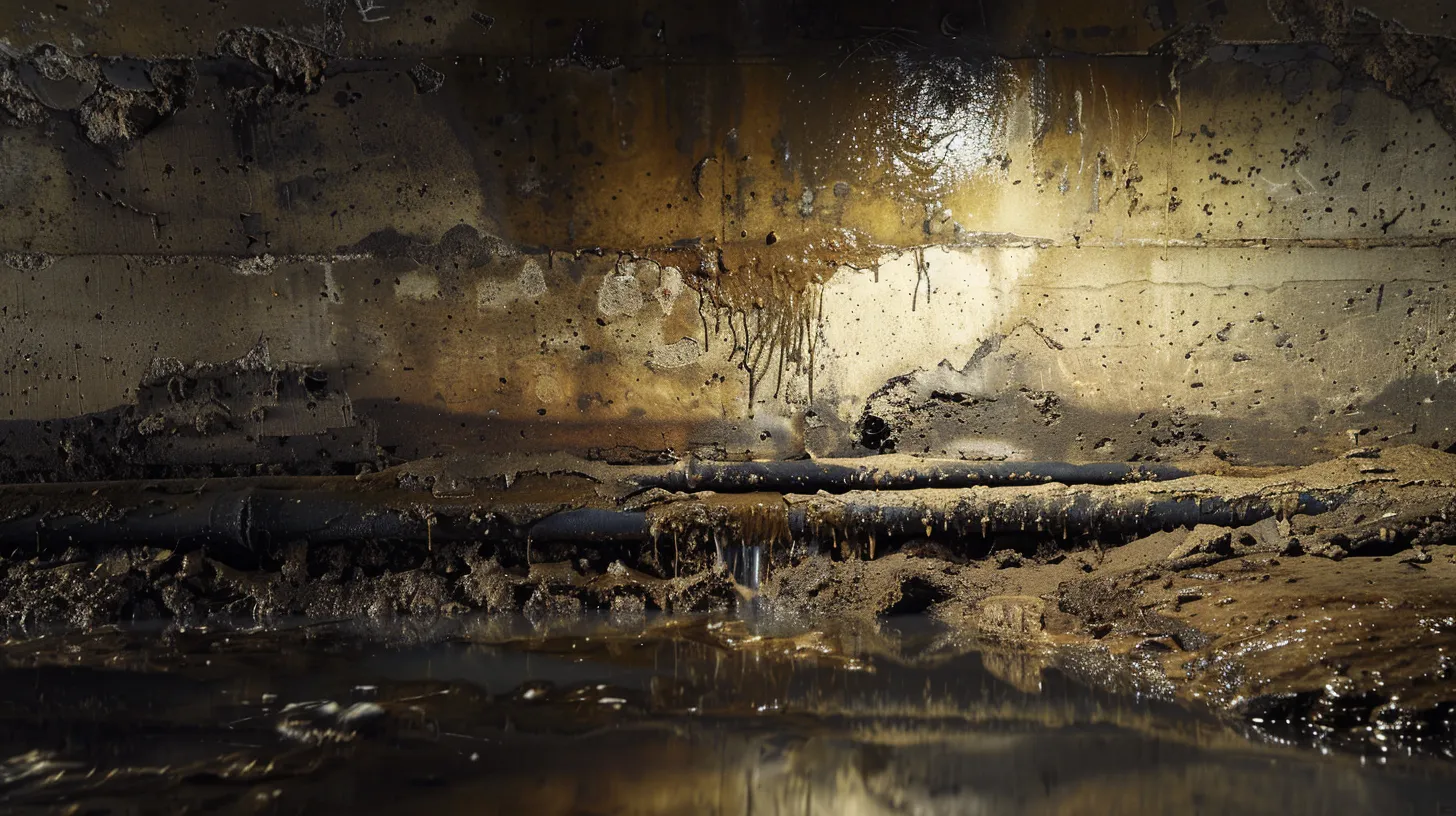
Grease and oil buildup in commercial drains can lead to serious plumbing issues, including frequent backups and costly repairs that disrupt operations.
Over time, this accumulation creates an environment conducive to bacteria growth, exacerbating clogging and creating unsanitary conditions.
As bacteria proliferate, odor issues also arise, creating an unpleasant atmosphere for employees and customers.
You may find that the longer the buildup persists, the more extensive the damage becomes, potentially affecting the entire drainage system.
Addressing these issues early is essential to maintaining operational efficiency and hygiene.
Regular maintenance and monitoring can effectively prevent these long-term consequences, safeguarding your business against grease and oil accumulation’s financial and health impacts.
Best Practices for Disposal

Knowing the best disposal methods is essential for managing grease and oil, maintaining drain health, and meeting environmental standards.
You should explore recycling options that reduce waste and provide potential benefits.
Participating in community collection events can help guarantee proper disposal and promote sustainable practices.
Proper Disposal Methods
Effective grease and oil disposal methods protect commercial drains and contribute to environmental sustainability. A proper disposal strategy focusing on efficient waste management would be best.
First, collect grease and oil in designated containers, ensuring they’re leak-proof and labeled for easy identification. Never pour these substances down the drain, leading to costly clogs and environmental damage.
Partnering with a certified waste disposal service is essential; they can handle the materials safely and responsibly. Additionally, train your staff on proper disposal techniques to foster a culture of compliance.
Recycling Options Available
Recycling options for grease and oil can greatly reduce waste and create sustainable alternatives for commercial kitchens. By partnering with local recycling centers, you can guarantee that used oils are processed properly rather than disposed of in landfills or down drains.
These centers can convert waste grease into biofuels or animal feed, contributing to sustainable practices in your community. Implementing a grease recycling program in your kitchen minimizes environmental impact and enhances your business’s reputation as a responsible entity.
Regularly scheduling pickups by recycling centers or collection containers can streamline the process. By adopting these practices, you’ll comply with regulations and promote a circular economy, ultimately benefiting your business and the environment.
Community Collection Events
Community collection events offer commercial kitchens an efficient way to dispose of grease and oil responsibly. They guarantee compliance with environmental regulations while minimizing the risk of drain clogs and pollution. Participating in these events can enhance community awareness and foster local partnerships.
Here are some best practices for maximizing the impact of these events:
- Promote Participation: Use social media and local networks to inform others about the event.
- Provide Clear Instructions: Ascertain that all participants understand how to prepare and transport grease correctly.
- Collaborate with Local Authorities: Partner with waste management agencies to streamline the disposal process.
- Evaluate Outcomes: After the event, assess its effectiveness and gather feedback to improve future initiatives.
Effective Cleaning Techniques
Implementing regular maintenance schedules and utilizing specialized cleaning agents to tackle grease and oil buildup in commercial drains can greatly enhance system efficiency.
It would help if you considered using chemical cleaners specifically formulated to break down grease and oil residues effectively. These cleaners penetrate the buildup, guaranteeing thorough removal without damaging your plumbing systems.
However, if you’re concerned about environmental impacts, eco-friendly solutions like enzymatic cleaners can be a viable alternative. They employ natural bacteria to digest grease and oil, promoting a healthier ecosystem.
Regularly scheduled cleanings, with these effective solutions, will help maintain clear drains and prevent costly blockages.
Installing Preventative Measures

Implementing preventative measures alongside regular cleaning can greatly reduce the likelihood of grease and oil buildup in commercial drains. By investing in the right preventative equipment, you can guarantee long-term functionality and efficiency.
Consider the following strategies:
- Install grease traps: These devices intercept fats, oils, and grease before they enter the drainage system.
- Use filters: Placing strainers in sinks prevents larger food particles from clogging the drain.
- Conduct staff training: Educate your team on disposal methods to minimize grease introduction.
- Schedule routine inspections: Regular checks on your plumbing can help you identify potential issues before they escalate.
Regular Maintenance Tips

Regular maintenance is essential for keeping commercial drains clear of grease and oil buildup, guaranteeing your plumbing system’s ideal performance and longevity. Implementing a routine of regular cleaning and drain maintenance can greatly reduce the risk of clogs and costly repairs. Here are some effective tips:
| Frequency | Action | Benefit |
|---|---|---|
| Daily | Inspect drains | Identify early signs of buildup |
| Weekly | Clean grease traps | Prevent overflow and backups |
| Monthly | Flush with hot water | Dissolve grease and oil residue |
| Quarterly | Professional check | Guarantee system integrity and efficiency |
Frequently Asked Questions
How Often Should I Inspect My Commercial Drains for Grease Buildup?
Inspecting your commercial drains monthly for grease buildup indicators like slow drainage or foul odors would be best. Regular drain inspection frequency helps catch issues early, preventing costly repairs and maintaining efficient operations in your facility.
What Types of Grease Are Most Harmful to Drains?
Animal fats and oils, which solidify at lower temperatures, are the most harmful types of grease. Their characteristics create clogs, leading to drain issues. Regular assessments can help you identify and manage these problematic substances effectively.
Can Grease Buildup Affect Water Quality in My Establishment?
Yes, grease contamination can greatly affect water quality in your establishment. It disrupts water treatment processes, leading to inefficiencies and potential health hazards. Regular maintenance and proper disposal methods are essential to mitigate these risks effectively.
Are There Specific Cleaning Products Recommended for Grease Removal?
For effective grease removal, you should consider using biodegradable cleaners and enzyme-based solutions. These products break down grease efficiently, minimizing environmental impact while ensuring your surfaces remain clean and safe for use in your establishment.
How Can My Staff Be Trained to Prevent Grease Disposal Issues?
To train your staff effectively, implement regular workshops focusing on proper disposal techniques. Use visual aids and hands-on demonstrations, ensuring they understand the importance of following protocols to minimize grease-related issues in your facility.
Need commercial cleaning you can count on?
Get a free walkthrough and a flat, written quote in under 24 hours for your San Diego County business.