
You might not realize it, but your kitchen is a treasure trove for making homemade floor cleaners. With their natural disinfectant properties, Citrus peels can leave your home smelling fresh and deter pests. Mix white vinegar and water in a 1:1 ratio to cut through grease without harsh chemicals. For those stubborn stains, baking soda does the trick, lifting grime and neutralizing odors. Brew some strong black tea if it’s a glossy shine you’re after. And for a streak-free finish on glass or glossy tiles, reach for cornstarch.
These common kitchen staples clean effectively and are eco-friendly, offering a safer cleaning solution for your home. Keep exploring, and you’ll discover even more surprising uses for these ingredients.
Key Takeaways
- Citrus peels are a natural disinfectant and pest deterrent in homemade floor cleaners.
- White vinegar effortlessly cuts through grease and grime, ideal for safe and powerful cleaning.
- Baking soda lifts stubborn stains without damage and controls odors, making it great for floor care.
- Brewed black tea brings a glossy shine to hardwood floors with its natural tannins.
- Cornstarch leaves floors and glossy surfaces streak-free, offering an eco-friendly cleaning solution.
Citrus Peels: Nature Disinfectant
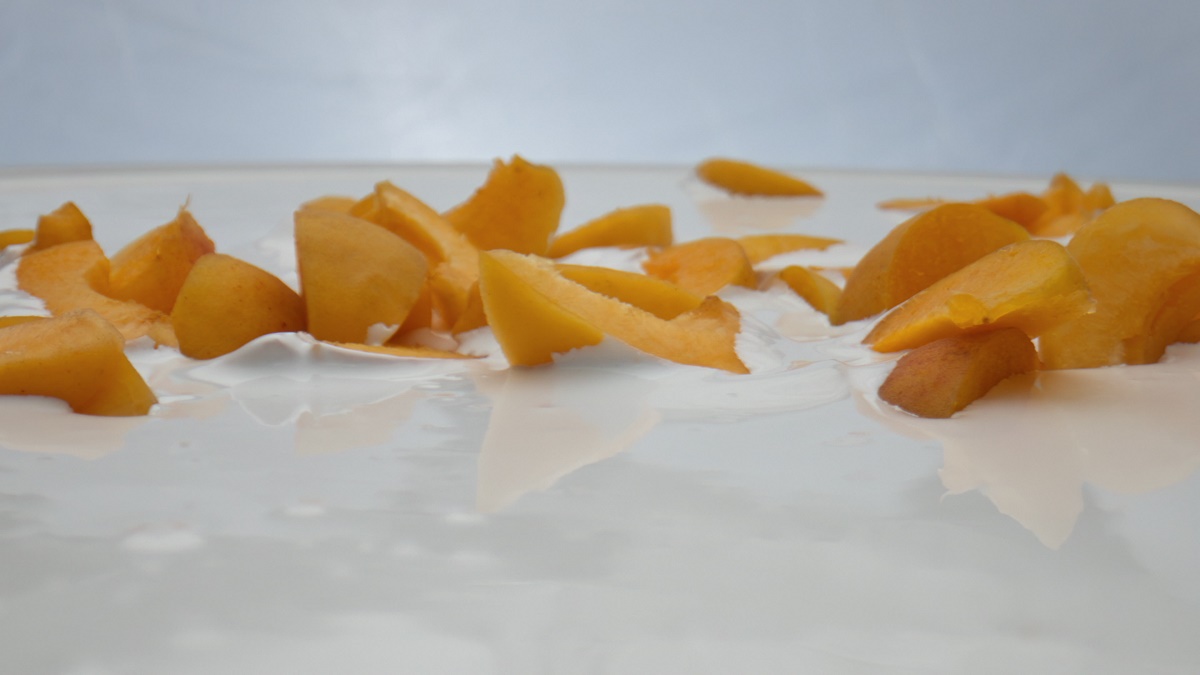
Citrus peels harness the power of nature and act as an effective disinfectant for your homemade floor cleaner. Beyond their ability to clean, they infuse your home with aromatic freshness, transforming the chore of mopping into a revitalizing experience.
What’s more, these peels are a natural pest deterrent. Ants, roaches, and even mice dislike the citrus scent, keeping unwanted visitors at bay.
To utilize, simmer the peels in water to release their essential oils, then mix this concentrated solution with water to mop your floors. You’ll achieve a spotless surface and enjoy a home that smells fresh and is less inviting to pests.
This method is practical, leveraging what you might otherwise discard and turning it into a powerful cleaning ally.
White Vinegar: The Acidic Miracle

White vinegar, a pantry staple, effortlessly cuts through grease and grime on your floors, making it a must-have in your cleaning arsenal. Its natural acidity provides a powerful cleaning punch without the harsh chemicals.
You might worry about your floors’ pH balance, but white vinegar is surprisingly gentle on most surfaces when diluted correctly. Mix it with water in a 1:1 ratio for a safe, effective solution. The vinegar smell dissipates quickly, leaving your floors sparkling and odor-free.
If you’re still concerned about lingering smells, a few drops of essential oil can mask the initial odor, making odor management a breeze. Remember, white vinegar isn’t just for cleaning; it’s a versatile tool that elevates your home’s cleanliness.
Baking Soda: The Gentle Abrasive
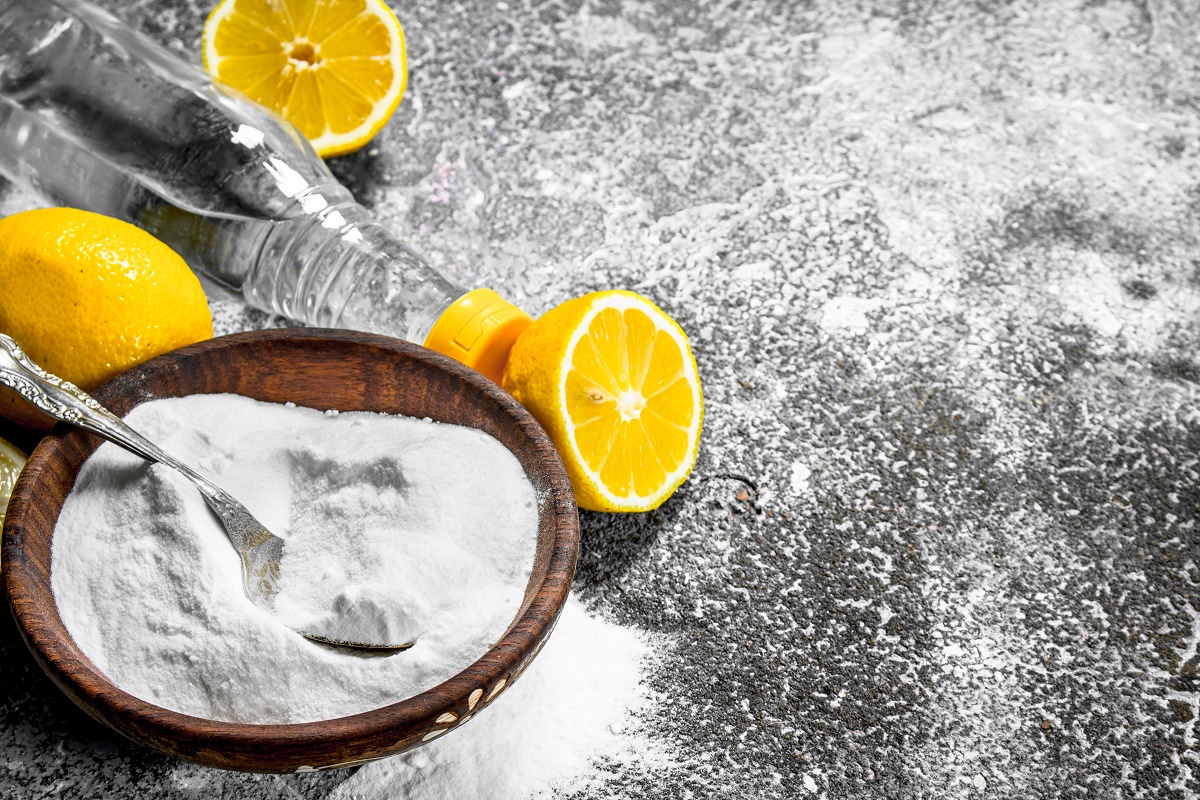
With its mild abrasive quality, baking soda effortlessly lifts stubborn stains from your floors without causing damage. It’s not just about getting rid of the dirt; it’s also fantastic for odor control and grout cleaning, making your cleaning routine efficient and eco-friendly.
Here’s how you can make the most of baking soda in your cleaning arsenal:
- Sprinkle baking soda directly on floor stains and scrub gently.
- Use it as a deodorizer for carpets before vacuuming.
- Mix with water to create a paste for deep grout cleaning.
- Combine with vinegar for a powerful, effervescent cleaning solution.
- Leave a small box in the corner of a room for continuous odor control.
Harness the power of baking soda to keep your floors pristine, fresh, and free of harsh chemicals.
Black Tea: For Glossy Shine
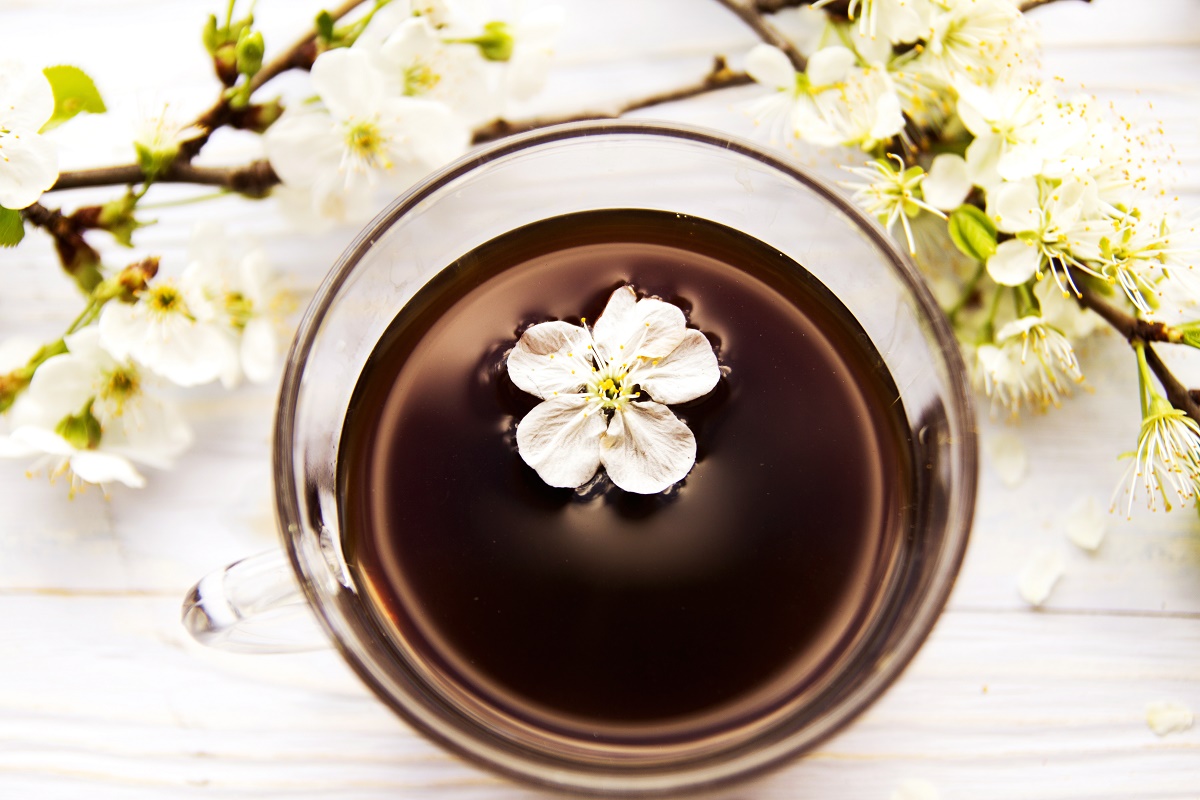
Black tea isn’t just for drinking; it can also bring a glossy shine to your hardwood floors. While many tea types exist, black tea, thanks to its tannins, is especially effective for cleaning and shining floors.
Start by choosing a strong black tea; the higher the quality, the better the shine. The brewing method is simple yet essential. Boil water and steep several tea bags (three to five, depending on the area) for about ten minutes to create a concentrated solution.
Once brewed, allow it to cool slightly. Then, pour the tea into your mop bucket, diluting it with water if necessary for larger areas. Mop your floors as usual, letting the natural properties of the black tea work to enhance the wood’s appearance.
Cornstarch: The Streak-Free Solution
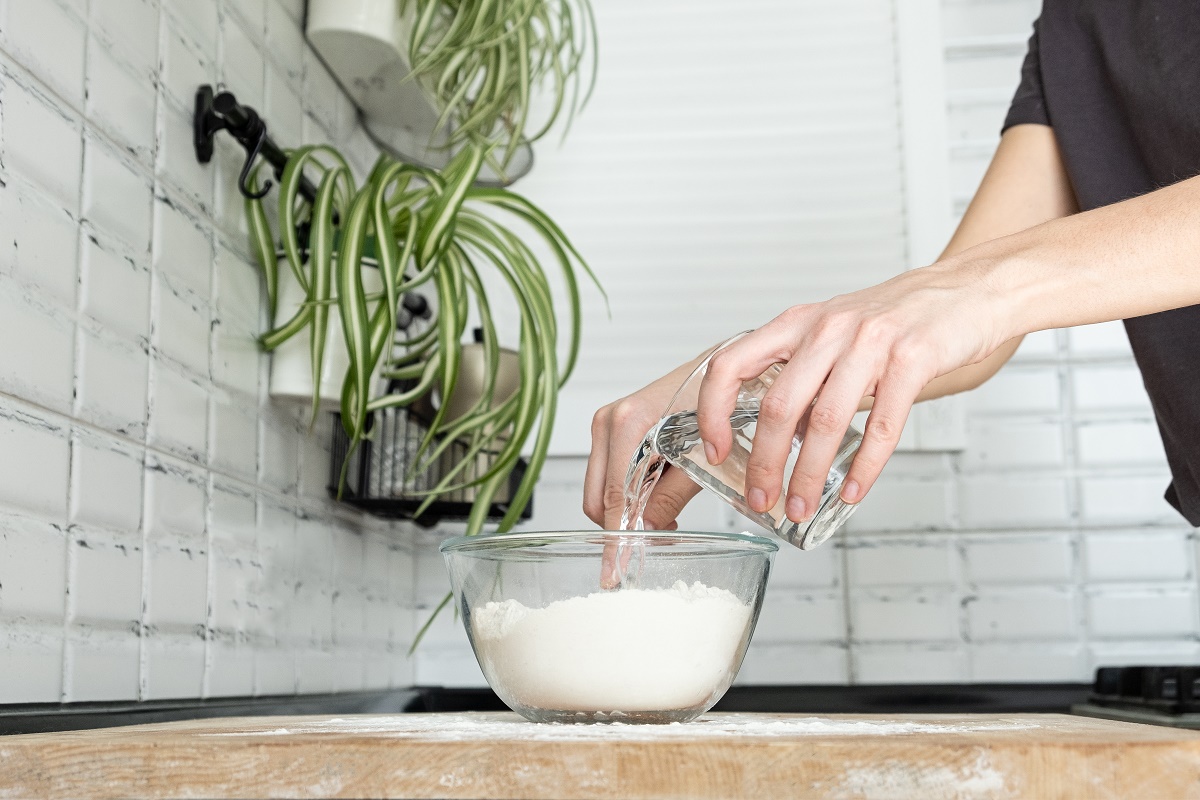
After exploring the luster that black tea can add to your floors, let’s examine how cornstarch can be your go-to for achieving a streak-free finish. It’s not just for thickening sauces—this humble kitchen staple can leave your floors sparkling without residue. You need to know that.
- Cornstarch is incredibly effective for cleaning glass and glossy tiles.
- A little goes a long way; you only need a small amount mixed with water.
- It’s an eco-friendly option, reducing the need for harsh chemicals.
- Consider a simple ingredient substitution like arrowroot powder if you’re concerned about cornstarch allergies.
- Always test on a small area first to confirm compatibility with your flooring.
These tips allow you to enjoy spotless floors without worrying about streaks or harmful chemicals.
Frequently Asked Questions:
Can Essential Oils Be Added to Homemade Floor Cleaners for Additional Benefits and Fragrance, and if So, Which Types Are Most Effective?
Yes, you can add essential oils for extra benefits and fragrance. Consider your aromatic preferences and ensure proper essential oil dilution to avoid damage. Lavender, lemon, and tea trees are highly effective and popular choices.
How Can Homemade Floor Cleaners Be Safely Used on Different Types of Flooring, Such as Hardwood, Tile, and Laminate, Without Causing Damage?
Ironically, you won’t ruin your floors with homemade cleaners if you’re smart about it. Pay attention to dilution ratios and application methods to safely clean hardwood, tile, and laminate without leaving a trace of damage.
Are There Any Natural Ingredients That Should Be Avoided When Making a Homemade Floor Cleaner Due to Potential Health Risks or Toxicity to Pets and Children?
Yes, you should avoid certain natural ingredients in your floor cleaner. Some can cause pet allergies or harm indoor plants. Always research and verify they’re safe for your home’s health and environment.
How Can the Effectiveness of Homemade Floor Cleaners Be Tested or Compared to Commercial Cleaners in Disinfecting Capabilities?
Consider laboratory testing or gathering consumer feedback to test your homemade floor cleaner’s disinfecting power. Both methods can offer insights into how they work against commercial options in eliminating germs and bacteria.
What Is the Shelf Life of Homemade Floor Cleaners, and How Should They Be Stored to Maintain Their Effectiveness and Safety?
If you nail the ingredient ratios and store them in the right container types, homemade floor cleaners can last up to a month. To maintain their effectiveness and safety, keep them in a cool, dark place.