
10 Essential Steps for Maintaining Immaculate Floors in Your Commercial Space
Maintaining pristine floors in your commercial space starts with understanding your floor type. Regularly remove dust and dirt using suitable cleaning products. Swift spot cleaning and periodic deep cleaning practices enhance your floor’s life. Shield your floor from damage and use specific treatments for stains. Keep the shine intact with frequent maintenance and adjustments to your cleaning plan. Always check the importance of your cleaning tactics and apply necessary changes for the best results. Consistent monitoring of cleaning methods is essential for long-lasting cleanliness. Your journey to immaculate floors isn’t over; there’s more to learn about maintaining your commercial space.
Key Takeaways
- Identify your floor type and implement regular maintenance practices to prevent dirt accumulation.
- Choose eco-friendly cleaning products to maintain the floor’s shine and durability.
- Incorporate swift spot and routine deep cleaning to prolong floor lifespan and maintain aesthetics.
- Evaluate current cleaning methods, ensuring they align with your floor type, and implement necessary changes for improved cleanliness.
- Regularly monitor cleaning efficiency, revise schedules, and train staff to uphold high cleanliness standards.
Understanding Your Floor Type

To maintain pristine floors in your commercial space, you first need to understand the type of flooring material you’re dealing with. Different flooring materials have unique characteristics and durability factors that impact their maintenance needs.
If you have hardwood, remember that it’s prone to scratches and needs regular polishing. Ceramic tiles are less demanding, but grout lines may require specialized cleaning.
Carpeted floors need frequent vacuuming and professional washing to maintain their lushness. Stone flooring, like granite or marble, requires sealing to prevent stains and water damage.
Vinyl, while resilient, can lose its shine without proper care. By identifying and understanding your flooring material, you’re setting the groundwork for effective, long-term maintenance.
Regular Dust and Dirt Removal
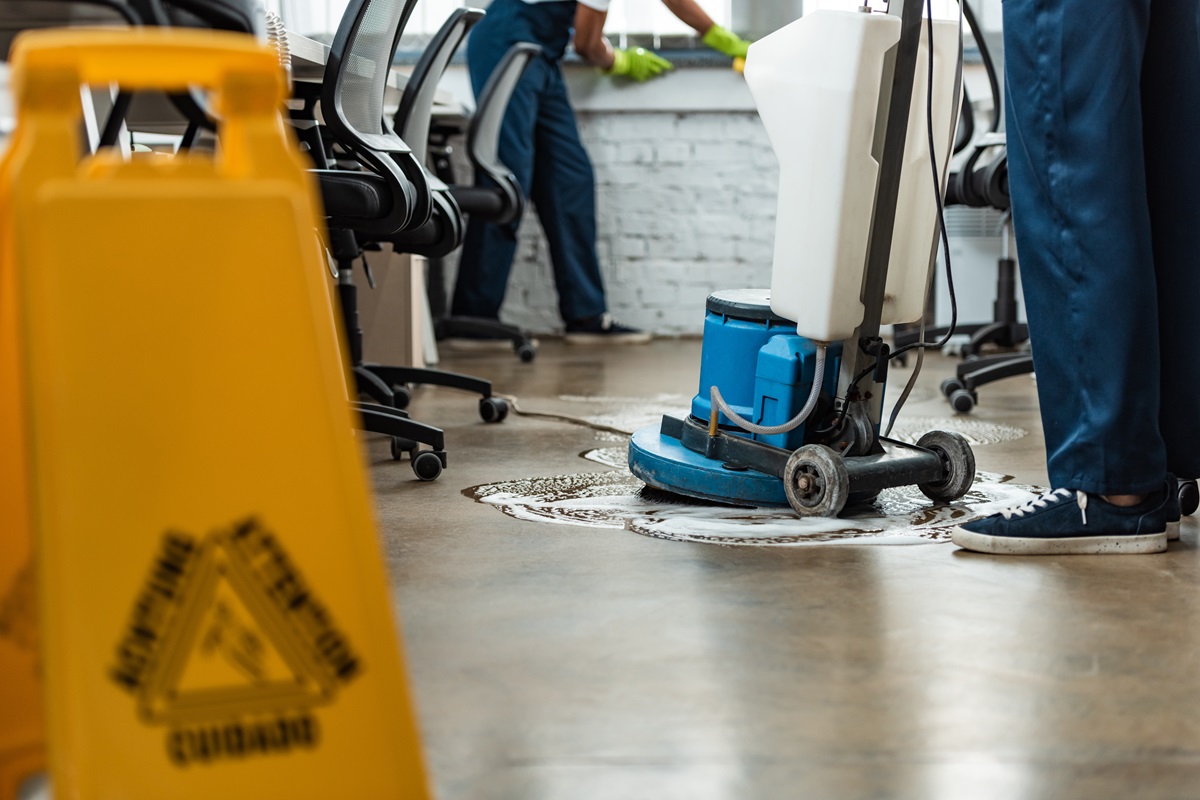
How often have you walked into a business and noticed dust or debris on the floor? It’s not only unappealing, but it can also damage floor surfaces and make a negative impression. Regular dust and dirt removal is vital for maintaining immaculate floors in your commercial space.
Consider implementing the following:
- Dusting schedules: Establish a regular dusting schedule to prevent dust accumulation.
- Dust containment strategies: Use high-quality dust mops and vacuum cleaners with HEPA filters to trap dust effectively.
- Dirt tracking prevention: Place mats at entrances to minimize dirt tracked in from outside.
Correct Cleaning Products Selection

Selecting the appropriate cleaning products for your commercial space’s floors is important in maintaining their shine and durability. Not all floor cleaners are created equal. Some are too harsh, stripping away the floor’s protective layer and leaving it dull and prone to damage. Others contain toxic chemicals that can be harmful to people and the environment. Pay close attention to product toxicity when making your selection.
Consider green alternatives that are less harmful yet equally effective. These eco-friendly products protect your floors and contribute to a healthier indoor environment. They’re less likely to cause allergic reactions or other health issues. So, don’t skimp on research. Your floors’ longevity depends on it.
Importance of Spot Cleaning
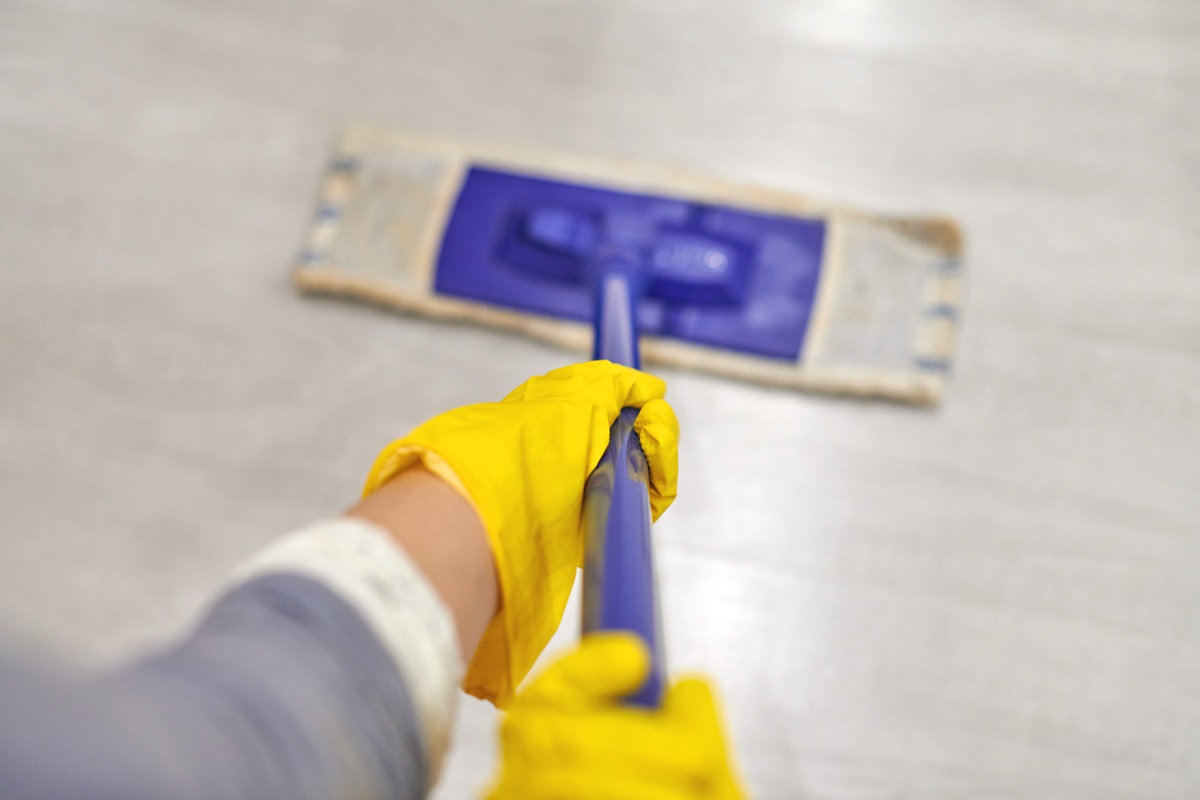
While choosing the right cleaning products lays the foundation for gleaming floors, regular spot cleaning plays an equally significant role in their maintenance. The spot-cleaning benefits are manifold, and they extend beyond just maintaining aesthetics.
- Instant stain management: As soon as a stain or spill occurs, swift spot cleaning can prevent the problem from setting into your floors, preserving their pristine look.
- Prevents further damage: Timely spot cleaning saves your floors from long-term damage caused by abrasive or corrosive substances.
- Enhances lifespan: Regular attention to spots and stains helps prolong your floors’ life, reducing the need for frequent replacements or refurbishments.
Routine Deep Cleaning Practices

Beyond spot cleaning, incorporating regular deep cleaning practices into your maintenance schedule can greatly enhance the longevity and aesthetics of your commercial floors.
Cleaning frequency matters. Depending on your floor type and foot traffic, you may need to perform deep cleaning weekly or monthly.
Don’t skimp on equipment selection, either. Quality equipment can mean the difference between a job well done and a surface that’s still dirty. Look for machines that can handle heavy-duty cleaning, such as industrial-grade scrubbers and high-pressure steam cleaners.
Lastly, use appropriate cleaning solutions that won’t damage your floors. Deep cleaning is all about diligence, the right tools, and consistency.
Utilizing Professional Services

Despite your best efforts with routine deep cleaning, there may be times when it’s beneficial to enlist the help of professional cleaning services for your commercial floors. Here are some reasons:
- Expertise: Professionals possess specialized knowledge and equipment to handle stubborn stains and deep-seated dirt effectively.
- Efficiency: Outsourcing benefits include time-saving and hassle-free cleaning processes, allowing you to focus more on your core business operations.
- Customized Services: Professional cleaners offer tailor-made solutions, meeting specific service selection criteria based on your commercial space’s unique needs.
Prevention of Floor Damage

To prevent floor damage in your commercial space, implementing a thorough maintenance strategy is crucial to address potential issues before they escalate. Part of this strategy includes regular damage assessments and preventive measures. The former lets you spot minor damages before they become major issues, while the latter helps protect your floor from future damage.
Here’s a simplified table for your guidance:
| Maintenance Steps | Damage Assessment | Protective Measures |
|---|---|---|
| Daily cleaning | Check for stains | Use floor mats |
| Weekly inspection | Inspect for scratches | Apply protective coatings |
| Monthly maintenance | Look for wear and tear | Regularly polish floors |
| Annual professional service | Identify structural damage | Install corner guards |
| Emergency measures | Assess after accidents | Prompt repairs |
Treatments for Specific Stains
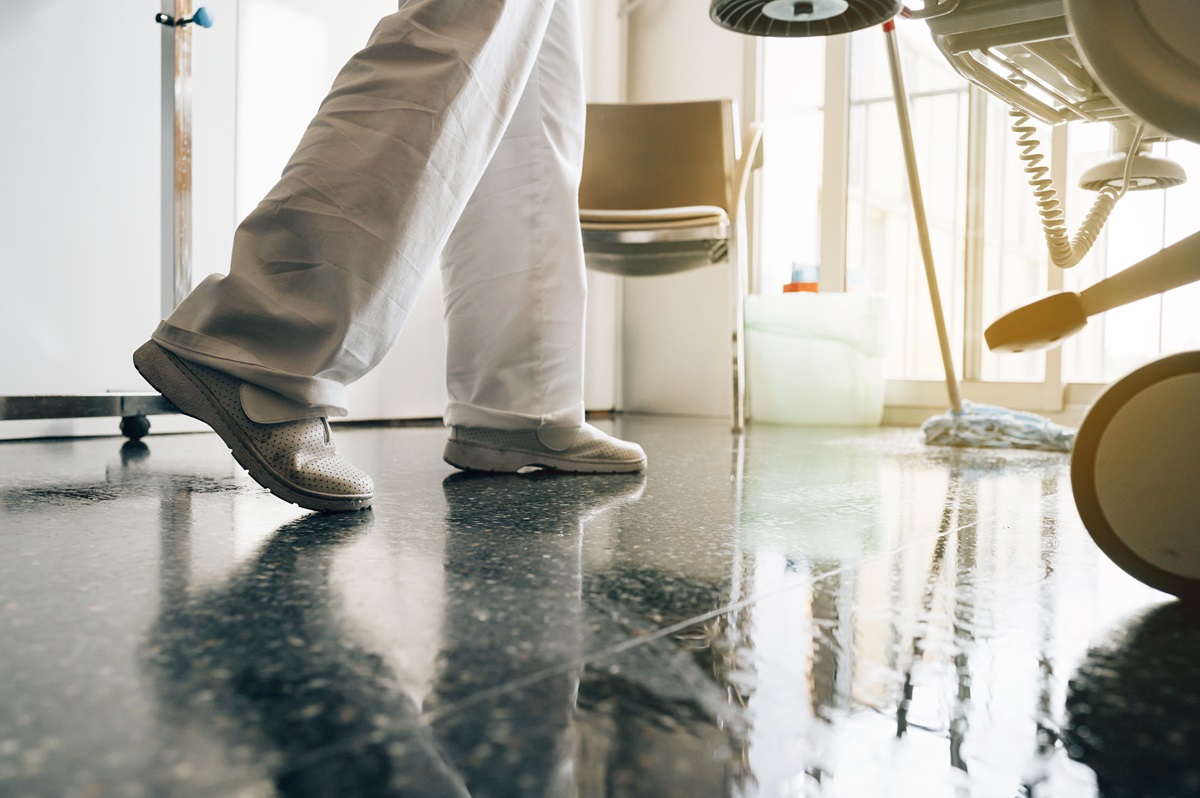
Despite your best efforts, stains on commercial space floors can be inevitable. Recognizing these common stains is your first step in maintaining a pristine environment.
Let’s explore effective techniques for removing specific stains, ensuring your floors always reflect your business’s highest standards.
Identifying Common Stains
First, let’s identify common stains that often mar the beauty of commercial flooring and explore effective treatments for each type. Understanding the stain origins is essential to this process. 1. Coffee and tea stains are common in office spaces. Quick action can usually mitigate their impact, but professional cleaning may be necessary if they’re left to dry.
- Ink stains originate from pens, markers, or printer ink. They’re stubborn and need specialized cleaning solutions.
- Oil-based stains: These stains originate from food, machinery, or cosmetics and are challenging due to their resistance to water-based cleaning agents.
Effective Stain Removal Techniques
Often, you’ll find that using the right technique and cleaning solution can effectively remove even the most stubborn stains from your commercial flooring. Identifying the origin of the stain is vital for applying the appropriate treatment. For instance, oil-based stains require a different approach than water-based ones. Your stain origin identification skills will prove invaluable here.
In addition, investing in stain-resistant materials can enhance your floor’s ability to withstand staining. Such materials repel liquids, preventing them from seeping into the floor and setting into a stain. Remember, the goal isn’t just removing stains and implementing preventive measures. By employing these techniques, you’ll ensure the longevity of your flooring and maintain its immaculate appearance for a long time.
Maintaining Floor Shine

Keeping your commercial floors gleaming requires a strategic approach that combines regular cleaning routines with periodic deep cleaning. Let’s focus on Floor Polishing Techniques and Shine Retention Strategies.
- Frequent Dust Mopping: Dust and grit can dull your floor’s shine. Regular dust mopping removes these particles and maintains the floor’s luster.
- Periodic Polishing: Implement a routine that includes occasional floor polishing. This will enhance the shine and add a protective layer to your floor.
- High-Traffic Area Focus: High-traffic areas lose their shine faster. Pay special attention to these areas and consider more frequent polishing to retain shine.
Review and Adjust Your Plan

As you work to maintain immaculate floors in your commercial space, it is essential to review and adjust your cleaning plan regularly.
Start by assessing current cleaning methods and pinpointing areas needing improvement or change.
Continuous monitoring of cleaning efficiency will guarantee your floors continue to reflect the high standards of your business.
Evaluate Current Cleaning Methods
To maintain pristine floors in your commercial space, assess your current cleaning methods and make necessary adjustments carefully. Start by considering the following points:
- Cleaning Frequency: How often does your staff clean the floors? If you’re noticing persistent dirt or grime, it may be necessary to increase the cleaning frequency.
- Staff Training: Are your staff appropriately trained in the methods and techniques required for maintaining floor cleanliness? Regular and detailed training sessions can guarantee they’re up to the task.
- Products and Equipment: Evaluate your cleaning products and equipment. Are they effective and suitable for your floor type?
Implement Necessary Changes
After evaluating your current cleaning methods, it’s vital that you promptly implement any necessary changes to enhance the cleanliness and appeal of your commercial space. Embrace change management as a pivotal part of this process.
Adjust the frequency of cleaning, invest in advanced equipment, or even hire more experienced professionals. However, don’t lose sight of cost efficiency while making these changes. It’s possible to maintain spotless floors without breaking the bank.
Negotiate better deals with suppliers, automate what you can, and train your staff to use resources efficiently. Remember, changes shouldn’t only lead to cleaner floors and make financial sense. Be bold, be wise, and you’ll see the difference.
Monitor Cleaning Efficiency
Keep a vigilant eye on the effectiveness of your cleaning methods, continually reviewing and adjusting your plan to guarantee that your commercial space’s floors remain pristine. Here’s how you can confirm your cleaning efficiency:
- Review Cleaning Schedules: Check if the cleaning frequency and time align with your business operations. If not, it’s time for a revision.
- Analyze Staff Training: Are your staff adequately trained for the job? If they aren’t meeting the standards, consider organizing additional training sessions.
- Measure Outcomes: Regularly evaluate the cleanliness of your floors. If they aren’t up to par, it’s a clear sign you need to recalibrate your cleaning plan.
Monitoring your cleaning efficiency isn’t a one-time task. It’s an ongoing process to ensure your commercial space always makes the right impression.
Frequently Asked Questions
What Are Some Cost-Effective Solutions for Maintaining Commercial Floors?
“Every penny counts in budget planning. Implement a regular cleaning schedule using affordable yet effective products. Prevention is cheaper than cure, so don’t skimp on routine maintenance for your commercial floors.”
How Often Should We Replace the Mop Heads Used for Cleaning Commercial Floors?
It would be best if you replaced mop heads depending on the mop material and cleaning schedule. Switching them out every two to three months or sooner is best if they’re heavily soiled or damaged.
Are There Any Environmental-Friendly Alternatives to Commercial Cleaning Products?
Yes, there are green cleaning solutions for your commercial space. They’re more sustainable and just as effective. You’ll find various eco-friendly and high-performing products, from floor cleaners to disinfectants.
What Are the Potential Health Hazards of Not Keeping Commercial Floors Clean?
Neglecting cleanliness can turn your floors into a breeding ground for disease transmission. Dirt, dust, and debris act as allergy triggers, potentially harming the health of your employees and customers. Regular cleaning is essential.
How Can We Train Our Cleaning Staff to Maintain the Standard of Cleanliness for Our Commercial Floors?
You’ve got to motivate your staff, making cleaning techniques fun and rewarding. Create engaging training sessions that emphasize the importance of cleanliness. Remember, a well-trained cleaner is your secret weapon for spotless commercial floors.